 ris
5 Things to Look for in a Surveyor’s Certificate When Buying a Home on Vancouver Island
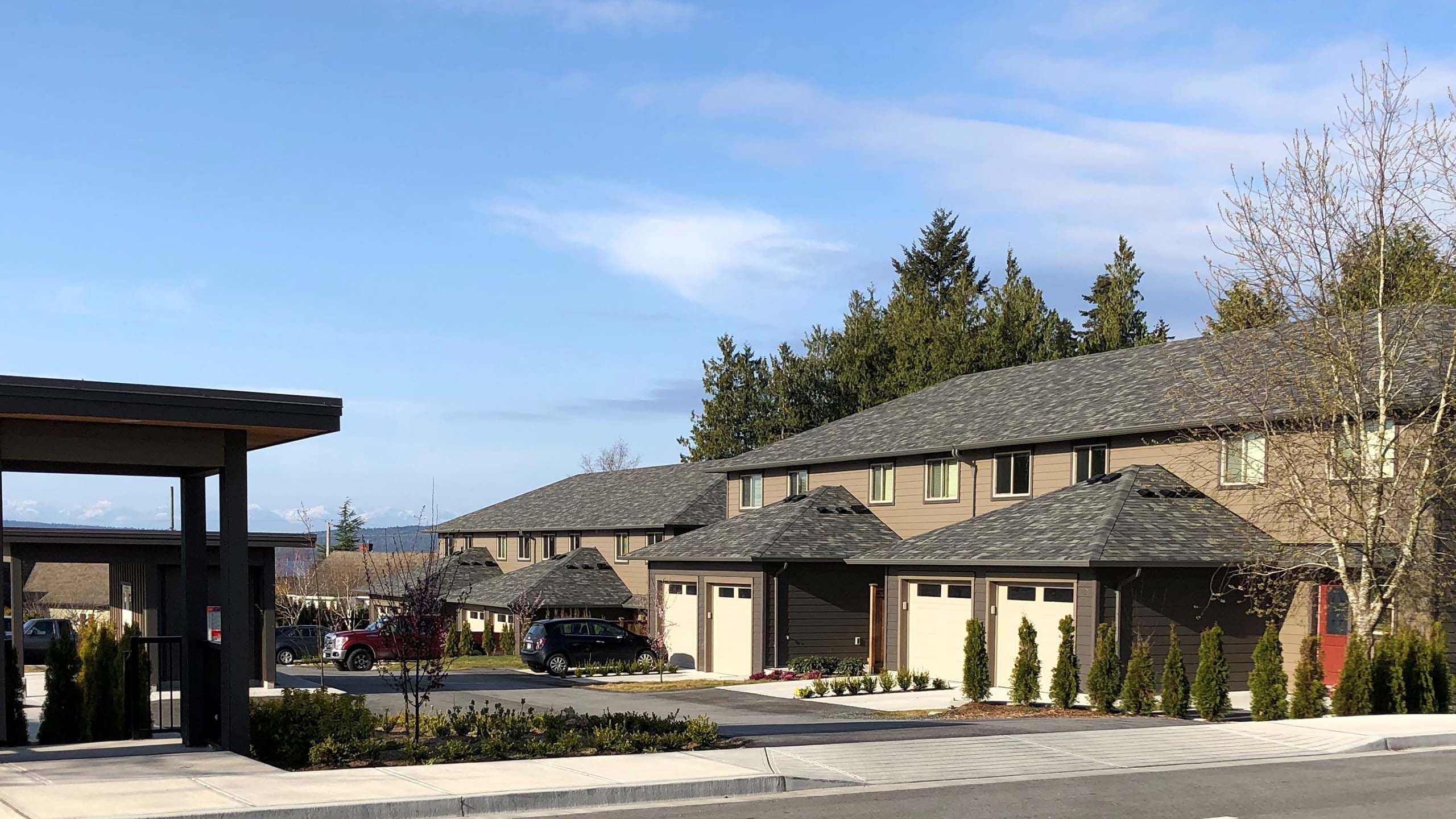

Buying a home in Victoria, the Cowichan Valley, or anywhere on Vancouver Island is a major commitment that requires thorough due diligence to protect your investment. A BC Land Surveyor’s Building Location Certificate, also known as a BLC or Location Certificate, is a critical document used by homebuyers and real estate agents to understand the physical and legal realities of a property. At Polaris Land Surveying, we act as your local “spatial problem solvers,” helping you navigate everything from building permit requirements to boundary disputes in BC.
To request a quote for a Real Property Report / Surveyor’s Certificate prior to closing on a home purchase, please contact Polaris Land Surveying Inc.
While some buyers assume title insurance is sufficient, understanding the difference between a survey certificate and title insurance in BC is vital. While insurance may cover financial loss, only a certified survey provides the physical certainty of where your boundaries lie.
Here are five essential elements to look for in your surveyor’s certificate.
1. Encroachments and Property Structures
A primary purpose of a residential survey is to identify if any structures, such as fences, sheds, or retaining walls, cross the legal property line. Identifying these early can prevent emotional boundary disputes in BC with neighbours. A location certificate will provide certainty that the structures and improvements are actually contained within the limits of the property being purchased. If the certificate reveals a potential encroachment or you’re planning future additions, see when you need a BCLS for home renovations.
Finding out a neighbor’s shed or fence crosses the line? Here is what to do if a neighbor puts a fence on your property.
2. Local Zoning Setbacks
Each municipality across Vancouver Island has specific bylaws regarding how close a structure can be to the property line. Your certificate will show if the home complies with these, such as Oak Bay renovation setbacks or Saanich building permit survey requirements. This is particularly important for those finding a surveyor for a home addition or a home renovation, as non-compliance can lead to a “permit wall” at city hall.
3. Registered Easements and Rights-of-Way
Properties often have registered easements or rights of way that allow utility companies or neighbors to access portions of the land. A BLC highlights these areas, which we verify through extensive research at the Land Title and Survey Authority of BC (LTSA). Understanding these registered charges is crucial, as they can limit where you are allowed to build or landscape.
4. Natural Boundaries and Terrain
Vancouver Island’s geography, featuring rugged coastlines and creeks, means many properties have “natural boundaries”. These boundaries can shift over time, and an accurate survey is needed to define exactly where your private land ends. Additionally, property survey costs in BC can be affected by this terrain; for example, a one-acre property with a forest and a creek may have different land surveyor fees on Vancouver Island than a flat city lot.
5. Professional BCLS Certification and Date
To be accepted by a municipality or lender, the certificate must be signed and sealed by a qualified BCLS (British Columbia Land Surveyor). It is also important to check the date; with BC’s new Small-Scale Multi-Unit Housing (SSMU) legislation (Bill 44), older surveys may not reflect the potential for new density, such as a garden suite or multiplex. You can verify a surveyor’s credentials through the Association of BC Land Surveyors.
All of the land surveyors at Polaris Land Surveying Inc. are certified BCLS, and we provide the appropriate documentation for each requested service.
——————————————————————————–
Vancouver Island Homebuyer’s Checklist
When reviewing a location certificate for a property anywhere on Vancouver Island, ensure it covers these critical points:
- Encroachments: Are all structures (fences, decks, sheds) confirmed to be within the property lines?
- Municipal Compliance: Does the property meet specific local setbacks for areas like Saanich, Oak Bay, or Duncan?
- Development Potential (Bill 44): Does the survey provide the necessary data to explore Small-Scale Multi-Unit Housing or subdividing?
- Verified Easements: Are all rights-of-way clearly mapped according to current LTSA records?
- Recent BCLS Certification: Is the document current and signed by a licensed BC land surveyor?
All of the building location certificates provided by Polaris Land Surveying Inc. cover these criteria, and more, given the parameters of the requested service.
Whether you are purchasing a home in the Alberni Valley or a rural lot in the Gulf Islands, our team is ready to provide the high-quality land surveying services you need. Contact Polaris Land Surveying today to ensure your property boundaries are secure.
——————————————————————————–
Frequently Asked Questions
What is a survey certificate bc?
A survey certificate in British Columbia, officially known as a Building Location Certificate (BLC), is a legal document prepared by a practicing BC Land Surveyor (BCLS) that certifies the exact locations of structures, buildings, and improvements relative to a property’s legal boundaries.
In BC real estate transactions, a survey certificate is used to:
- Confirm that buildings comply with local municipal zoning setback requirements.
- Reveal whether structures (like sheds, fences, retaining walls, or roof overhangs) cross onto neighboring properties or adjacent property crosses onto yours.
- Map registered statutory rights-of-way or easements that restrict buildable areas.
- Provide banks and title insurance companies proof that the property improvements do not violate legal boundaries.
Note: A survey certificate (BLC) shows building positions relative to boundaries on paper, but unlike a full boundary survey, it does not involve physically staking or marking the property corners on the ground.
Is a survey certificate required when buying a home in BC?
While a survey certificate is not strictly mandatory under BC law to transfer title, it is frequently required by mortgage lenders and title insurance companies before approving a home loan. Buyers often request a Surveyor’s Certificate of Location during the subject-removal period to ensure the home, deck, or garage does not encroach on neighboring land or municipal setbacks.
What is the difference between a survey certificate (BLC) and a boundary survey in BC?
The primary difference lies in physical boundary marking and intended purpose:
- Building Location Certificate (BLC / Survey Certificate): A document and diagram confirming where existing buildings sit relative to property lines. It does not include placing physical stakes in the ground.
- Boundary Survey (Pinning): A full field survey where a BC Land Surveyor physically locates, restores, or sets iron pins at the legal corners of the property so boundaries can be visually seen on-site.
How much does a survey certificate cost on Vancouver Island?
In British Columbia, a standard residential Building Location Certificate typically ranges between $800 and $1,500+ CAD, depending on property size, terrain complexity, age of the parcel, and existing land records. Requesting a certificate for an existing structure is significantly less expensive than commissioning a full boundary re-stake or topographic survey. Polaris Land Surveying Inc will quote you when you contact us for the most cost-effective solution.
How long is a surveyor’s certificate valid in British Columbia?
A surveyor’s certificate represents a legal snapshot of the property on the date it was performed. While the certificate itself does not technically expire, lenders or buyers will rarely accept an older survey certificate if any additions, outbuildings, fences, or renovations have occurred on the property since the survey date.